.png)

Academy
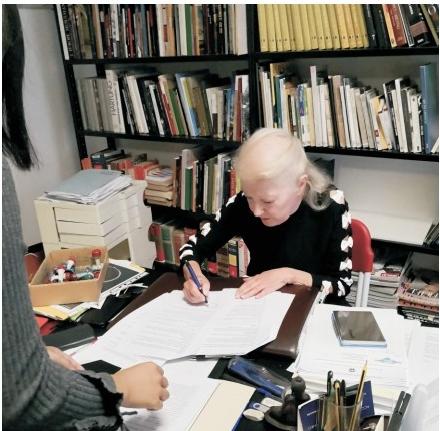
of Accademia di belle arti legalmente riconosciuta di CUNEO
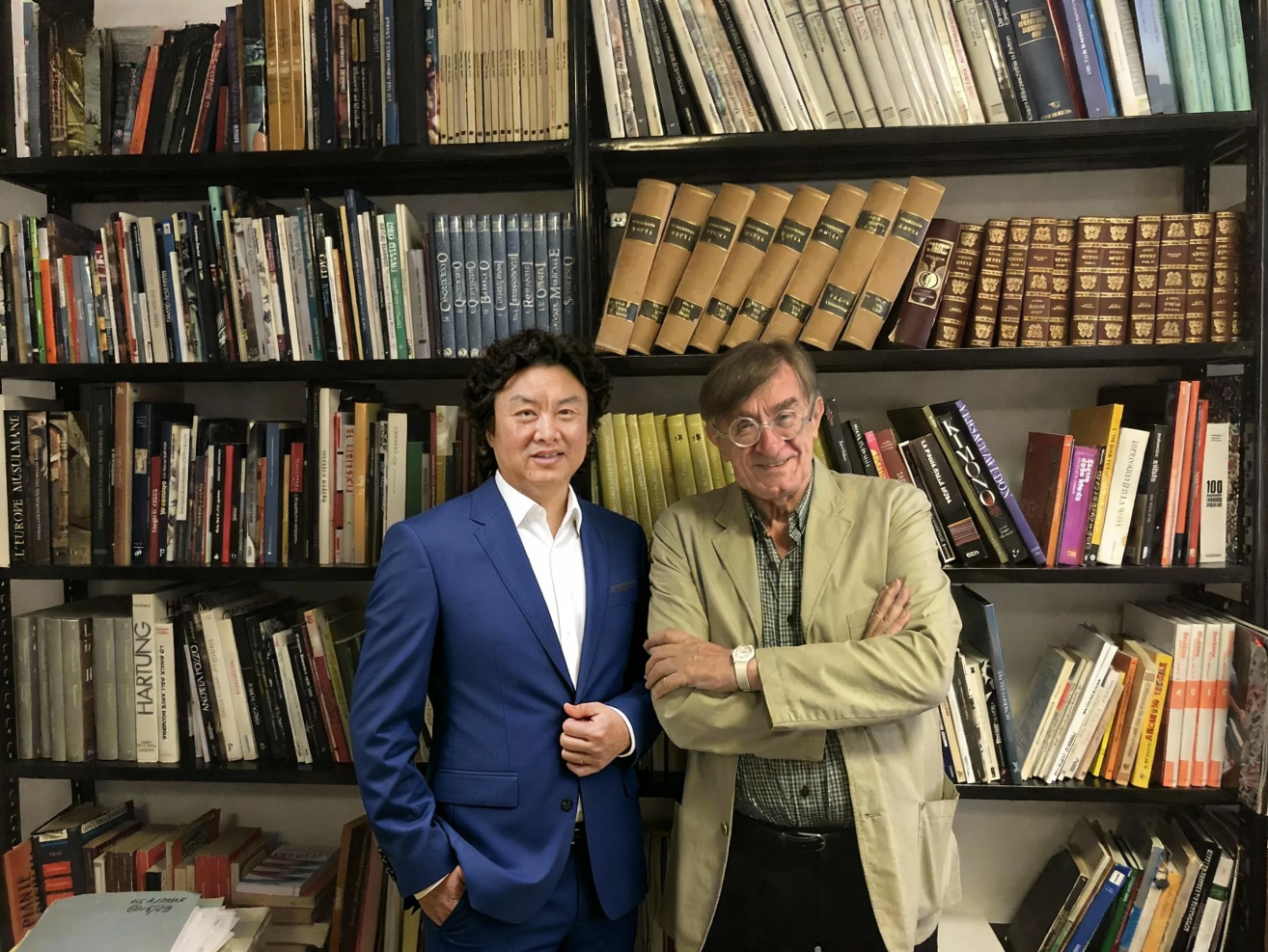
of Accademia di belle arti legalmente riconosciuta di CUNEO

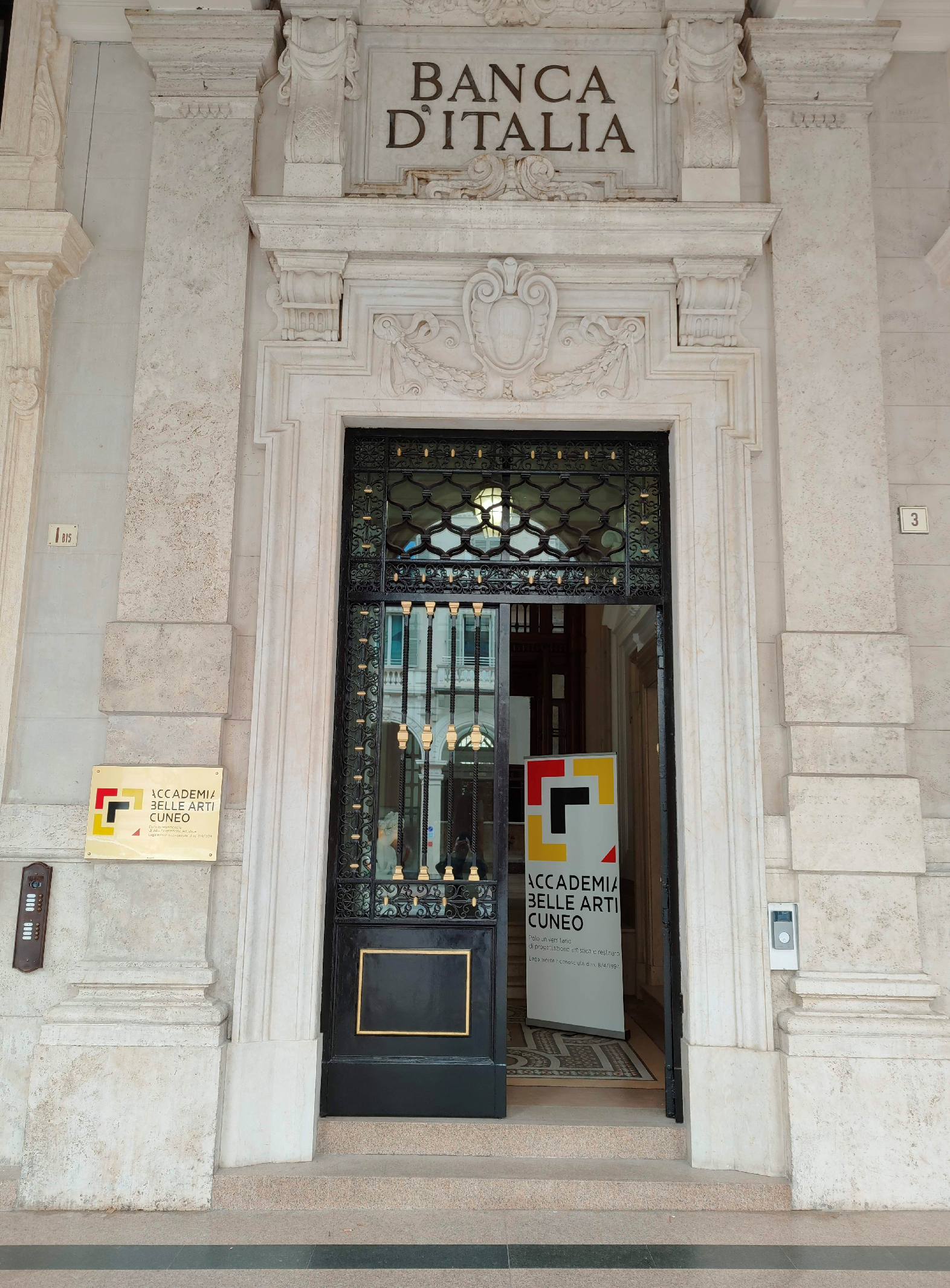
College Introduction
Accademia di Belle Arti Legalemente Riconosciuta di Cuneo Founded in 1991,is a state-recognized higher institute of artistic education (AFAM) under the Italian Ministry of Education, with degrees equivalent to those conferred by universities . It is a member of the European League of Institutes of the Arts (ELIA) and is recognized as one of Italy's most distinctive colleges for art and design.
Campuses & Environment
The main campus is located in the picturesque city of Cuneo in the Piedmont region, an important Italian industrial area particularly renowned for its advanced mechanical manufacturing and metalworking industries. This provides an exceptional industrial environment beneficial for jewelry design, especially techniques involving metalworking and technology . The Milan branch is situated within the University of Milano-Bicocca campus. Its faculty comprises professors from both the Academy of Fine Arts of Cuneo and the Accademia di Belle Arti di Brera, ensuring strong expertise and extensive teaching experience. The academy also regularly invites renowned guest professors to teach.
Educational Philosophy
The academy views jewelry not merely as decoration, but as wearable art—a form of micro-sculpture that integrates art, design, craftsmanship, and technology . Its goal is to cultivate versatile jewelry designers who possess independent artistic expression skills, solid technical proficiency, and the ability to meet market demands.
Career Development
The academy has established representative offices in France and the Principality of Monaco, providing students with high-end platforms such as fashion shows and art exhibitions for practical experience . These initiatives offer more opportunities and pathways for students to enter top international companies like PRADA, VALENTINO, FENDI, and VERSACE. The academy is also highly regarded by many international design companies for the quality of its graduates.
Representative products
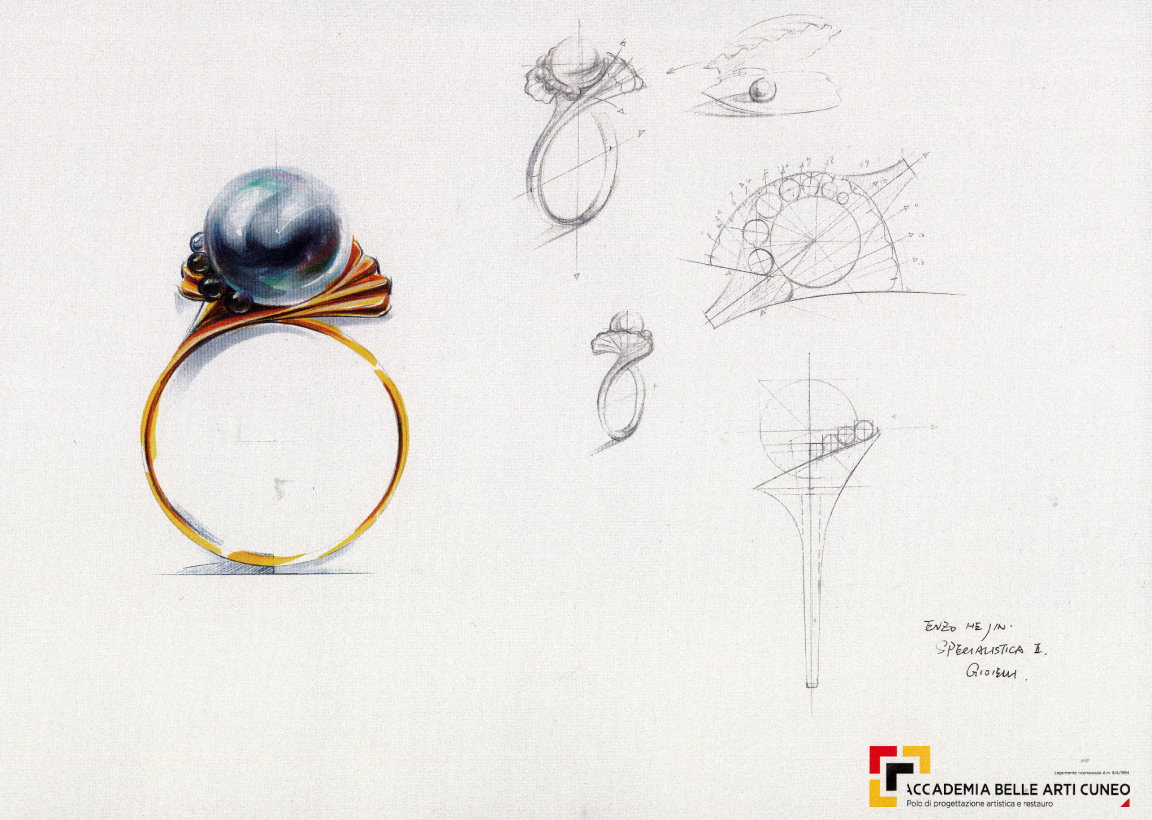
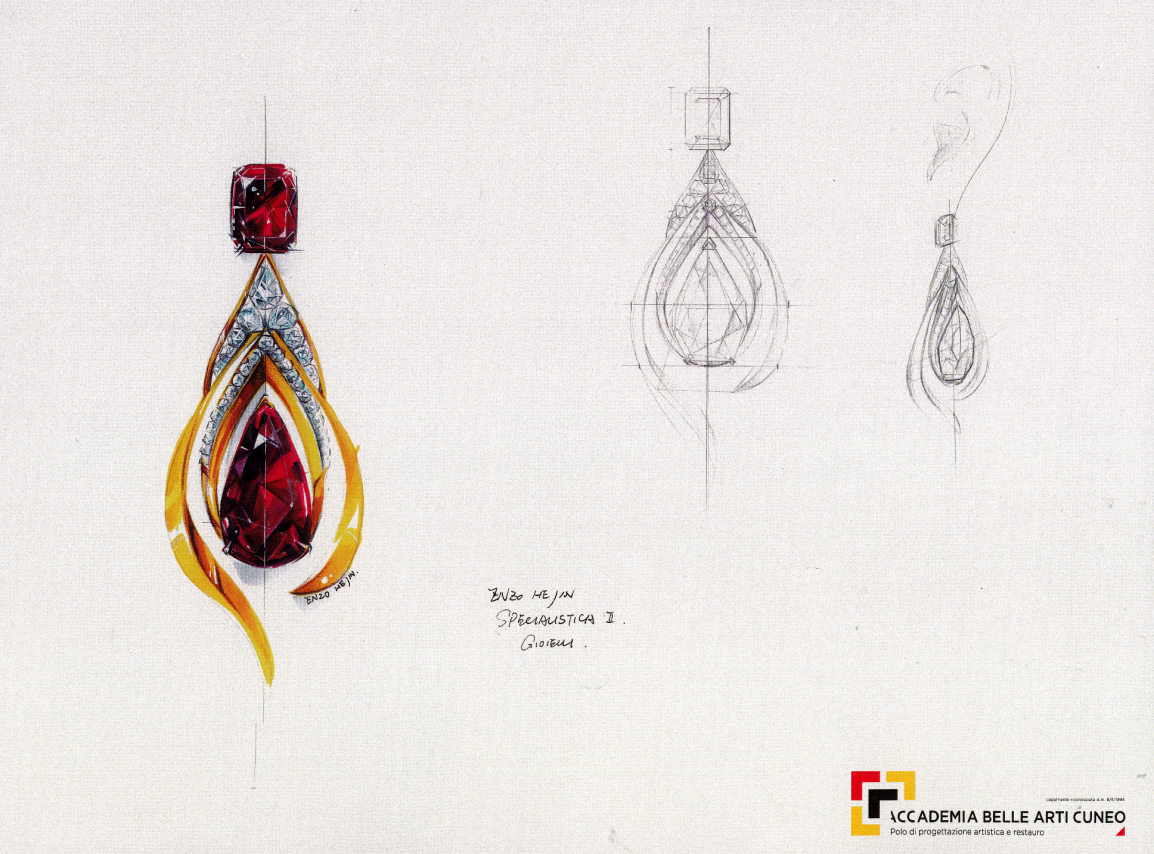
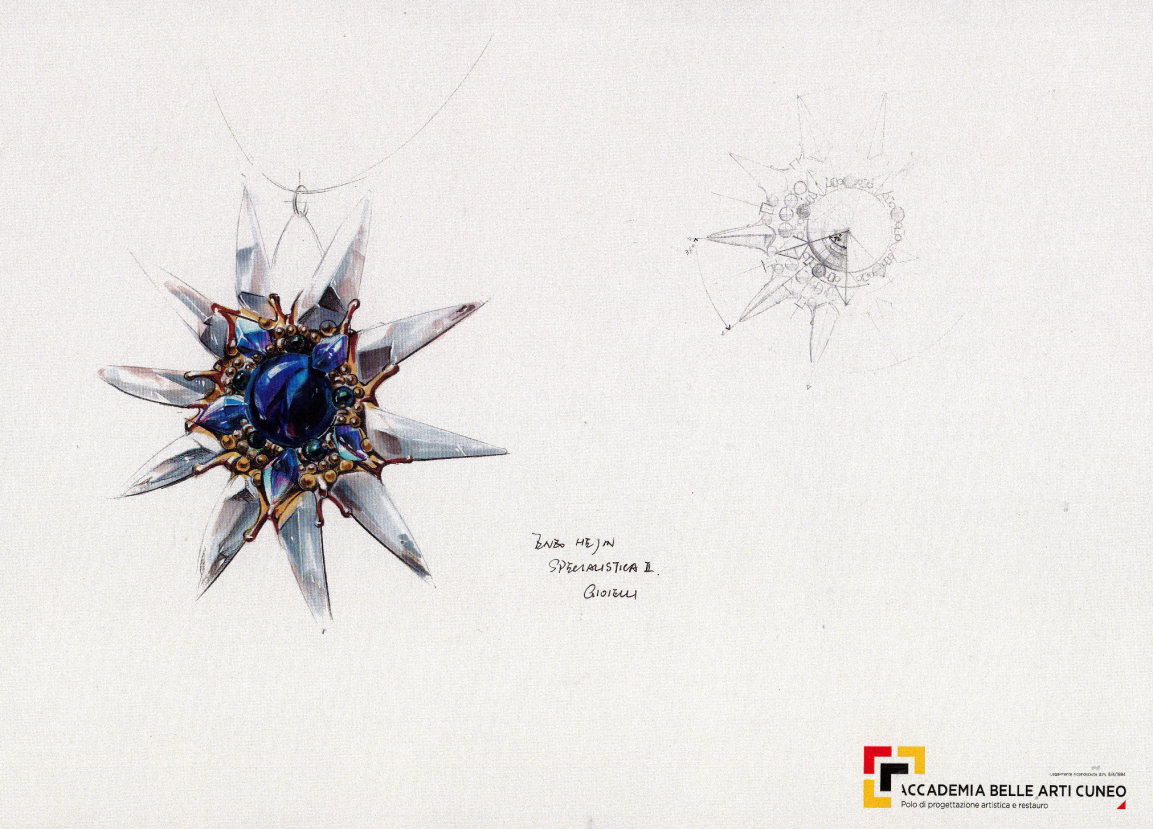
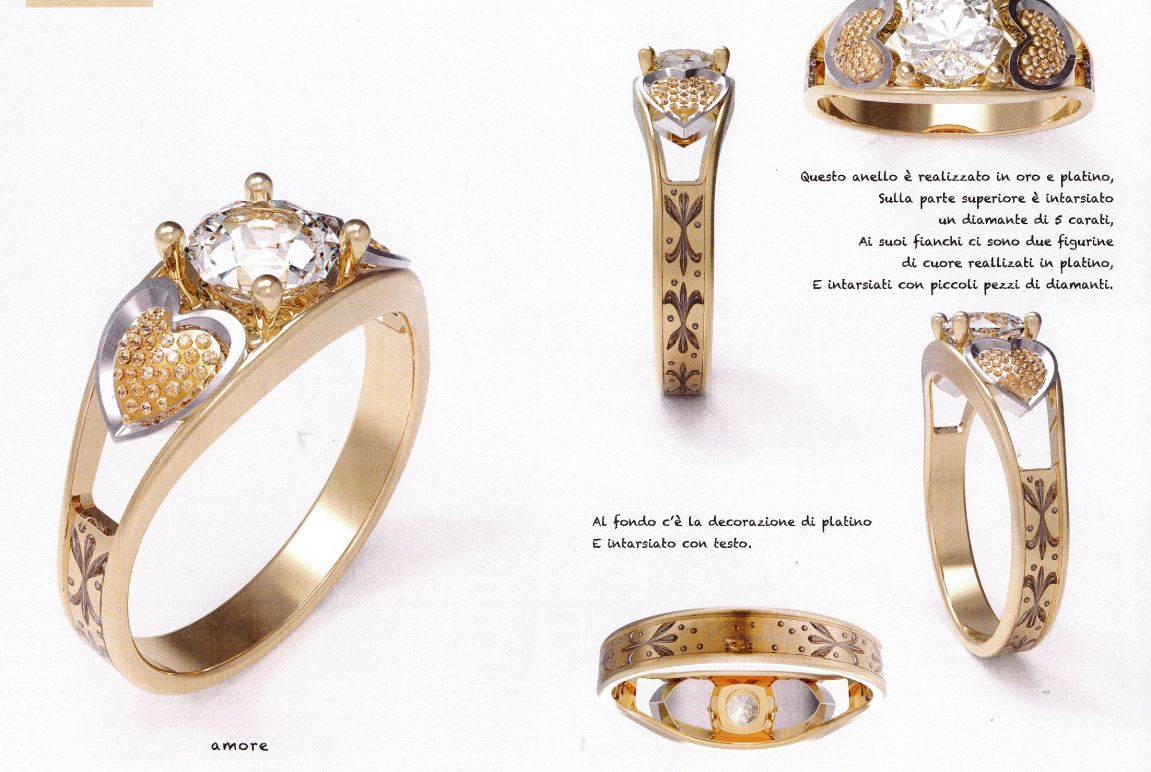
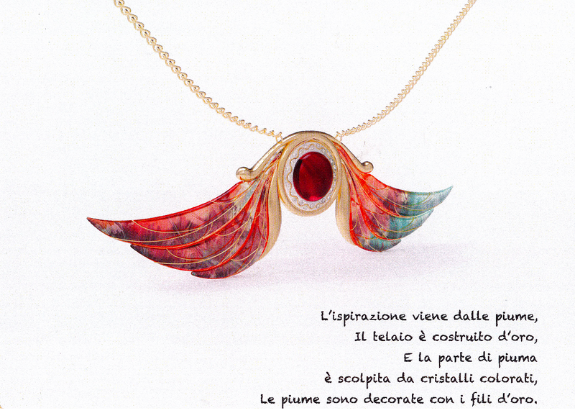
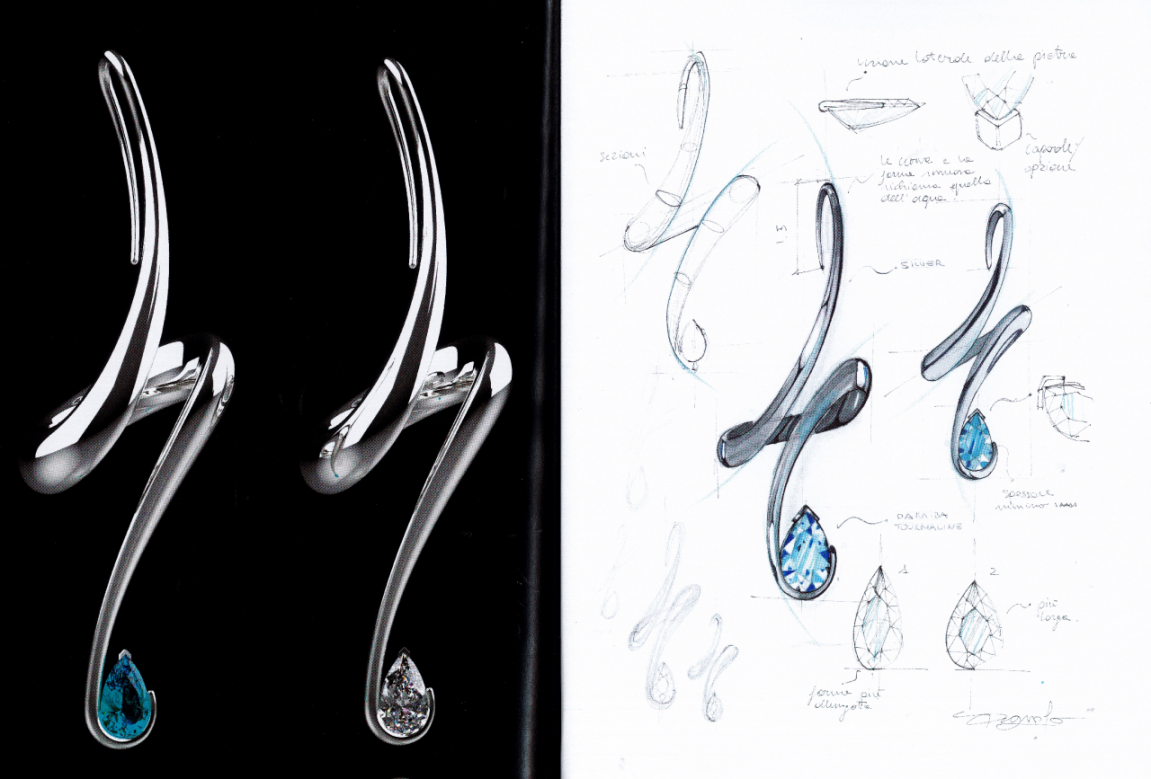
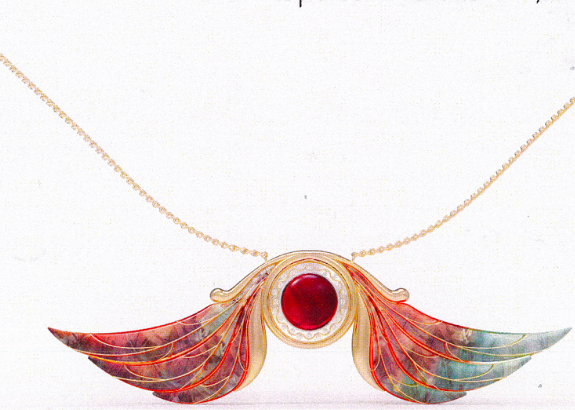
Manufacturing Process
The designertranslates theirinspiration into hand-drawn sketches

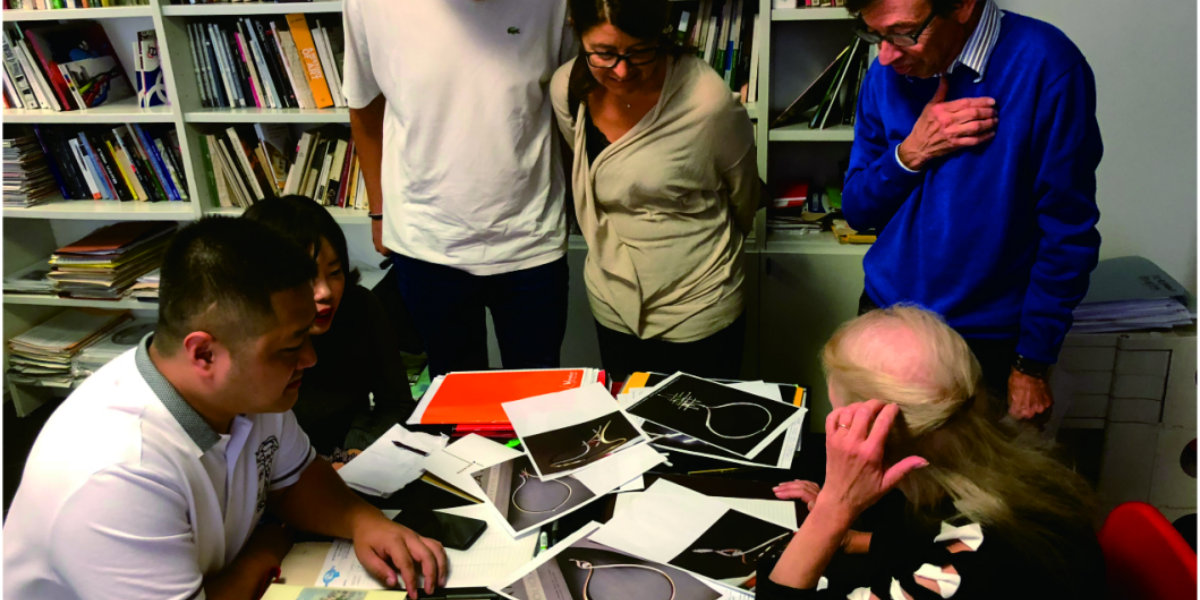
Complete theinitial design draft
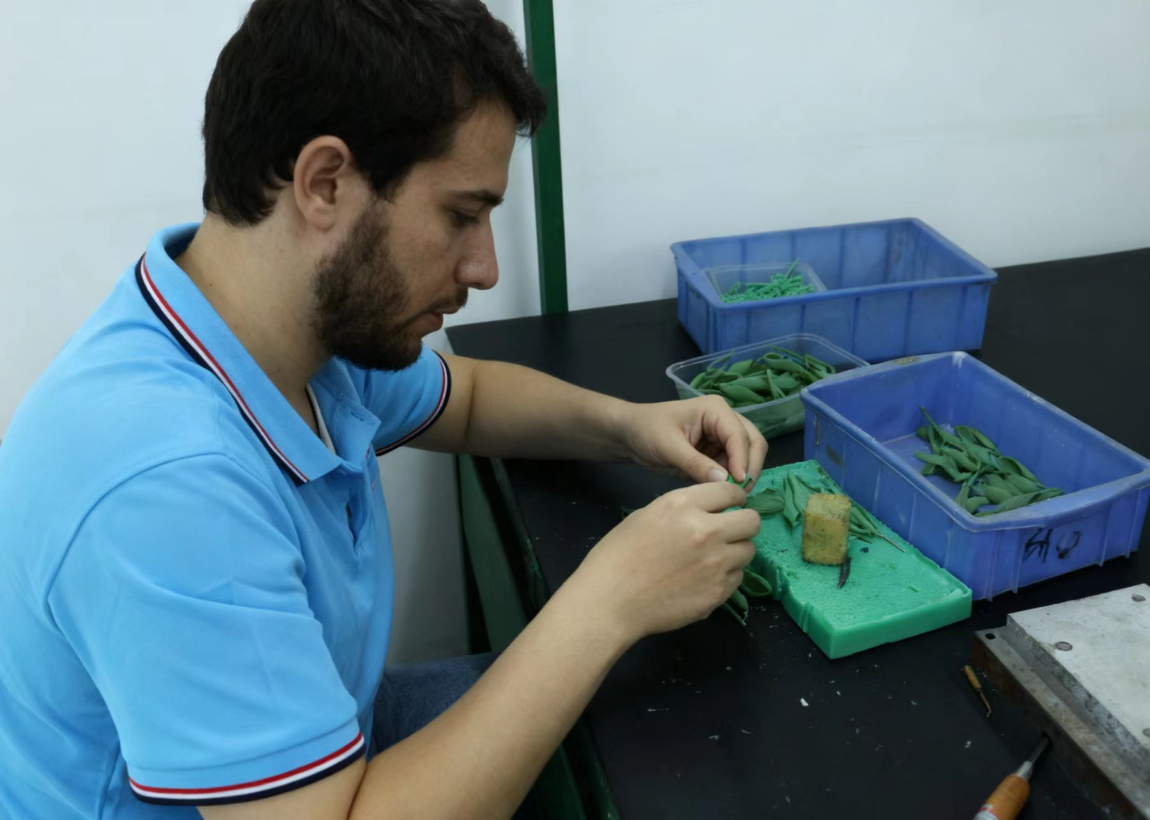
The artisan hand-carves a wax model based on the design drawings.
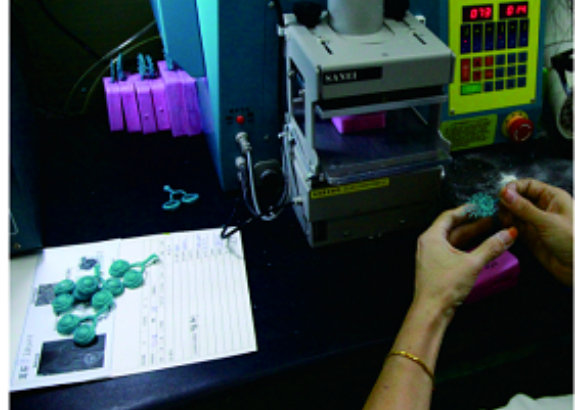
Usethelost-waxcastingmethod to create a silvel master model.
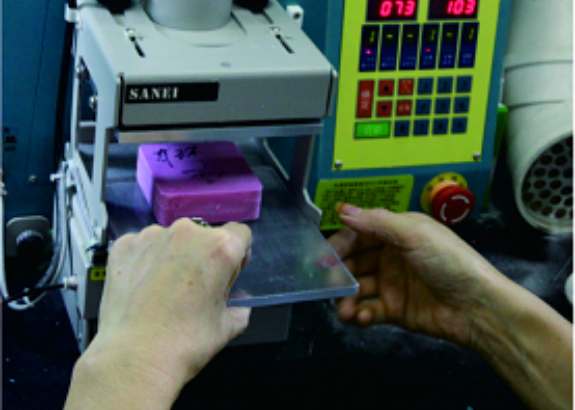
Create rubber molds through pressing multiple silver copies.
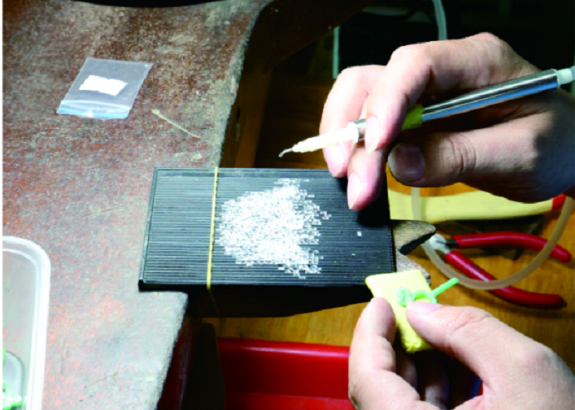
Select suitable accent stones and determine their mounting positions based on the silver master and wax model,
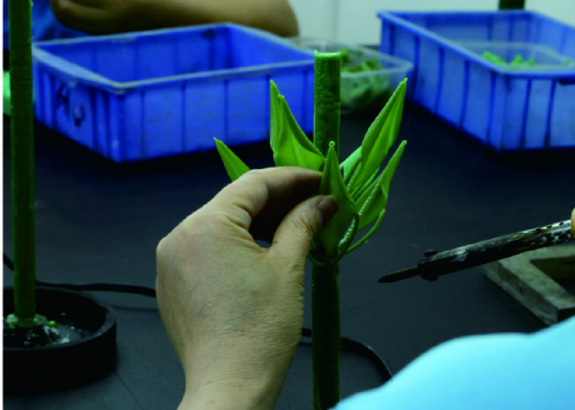
Wax Tree Assembly: The hand-carved wax models are meticulously"planted" onto a central wax sprue to form an inverted tree-like structure, where the prototype ofeach piecefindsits place.
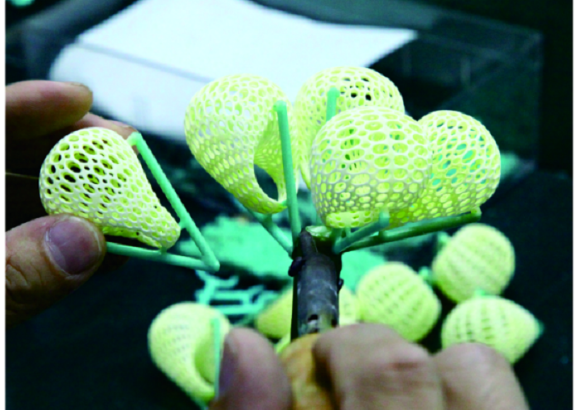
Wax Tree Weighing:The wax tree is weighed before and after assembly. The weight difference is used to calculate the amount of metal required for casting.
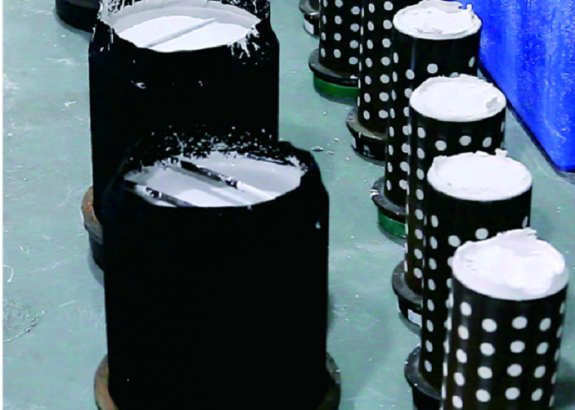
Investing:The wax tree is placed inside a stainless steel flask.The investment slurry is then poured steadily into the fask,completely submerging the wax tree, and left to set.
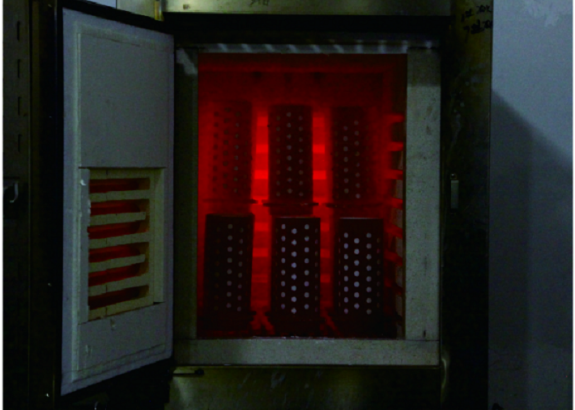
Burnout:The set investment mold is heated in a kiln for several hous by a temperature-monitoring program.This process bakes the mold, granting it sufficient strengthand stability whilev aporizing the wax.
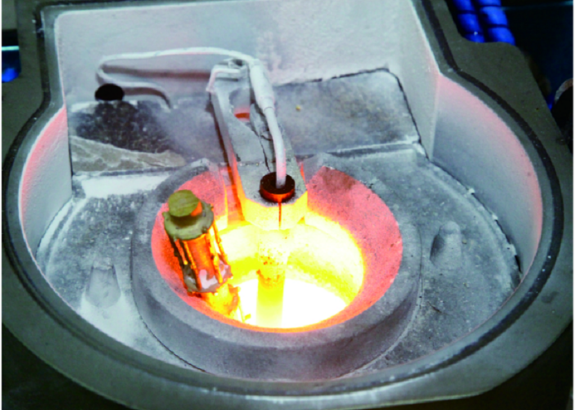
Casting:This marks the genesis of the artwork. Molten metal is poured into the preheated mold to complete the casting process.
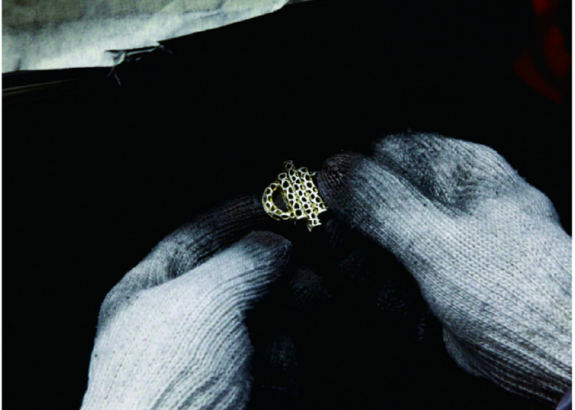
Gate Grinding:After the casting is removed from the mold, an artisan grinds and removes the excess material manually,known as the gate process.
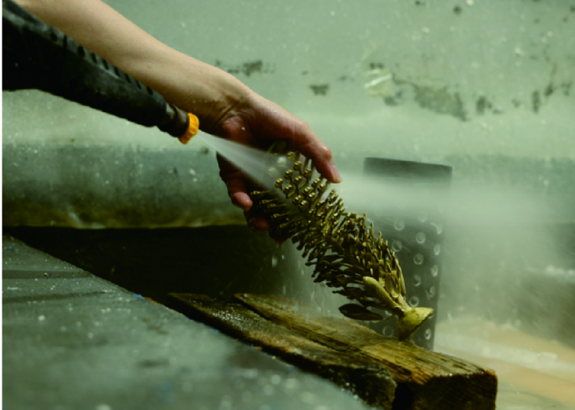
Trimming: Following the design drawings, the artisan trims away excess material from the rough casting to ensure the final form matches the original design precisely.
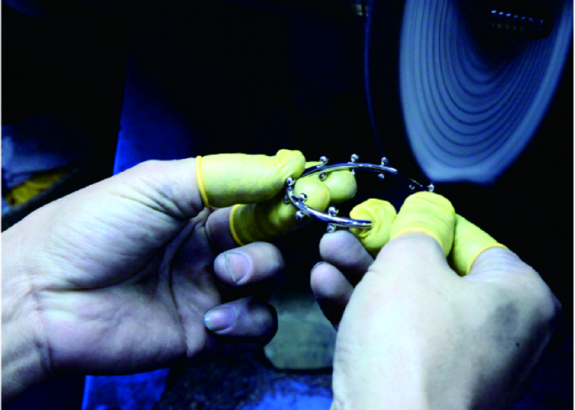
Polishing:The artisan employs a combination of mechanical tools and hand-finishing techniques to eliminate all fine scratches and imperfections,achieving a mirror-like luster.
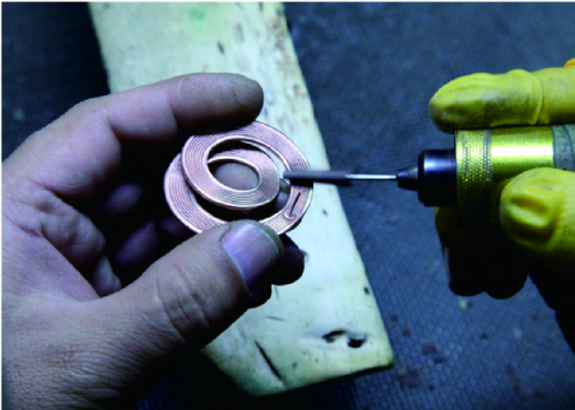
MetalFinishing:An experienced artisan meticulously refines the piece,ensuring every line is smooth, sharp,and well-defined.
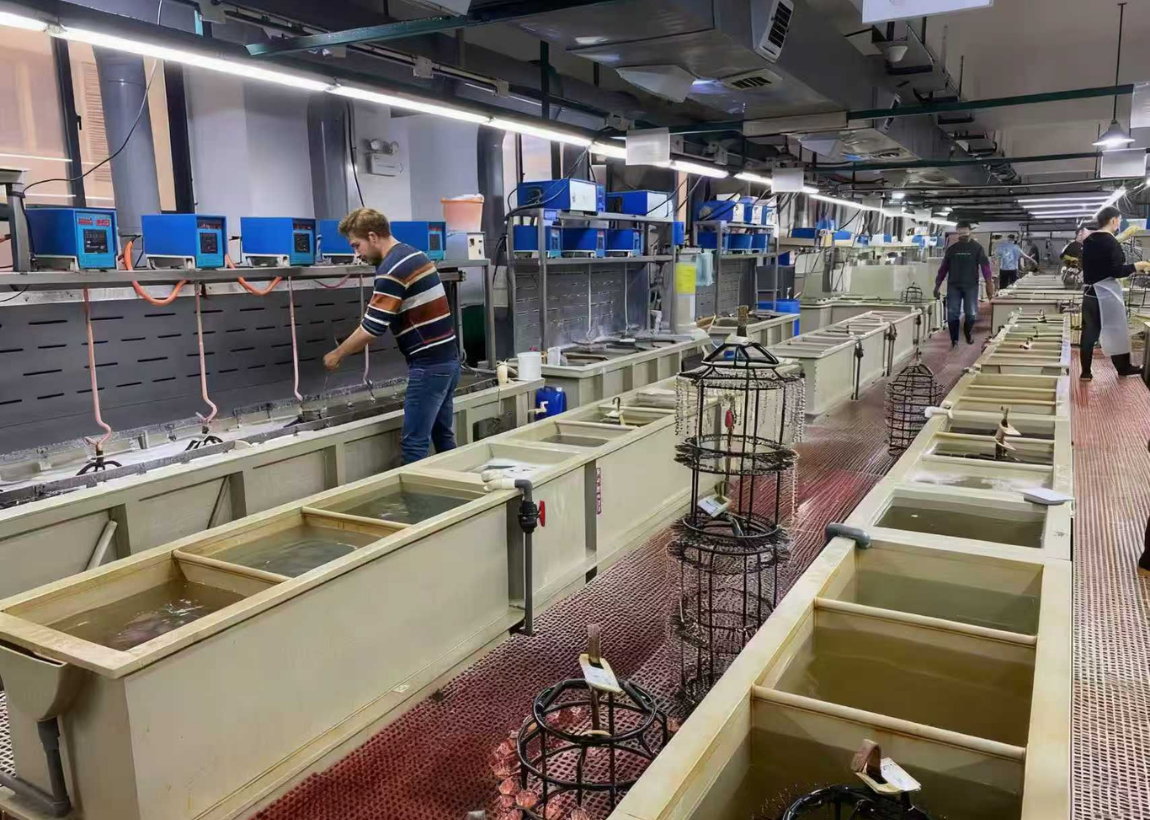
Plating:A high-quality electroplating process is applied, depositing a precious metal coating onto the jewelry's surface. This process enhances its durability and hypoallergenic properties.
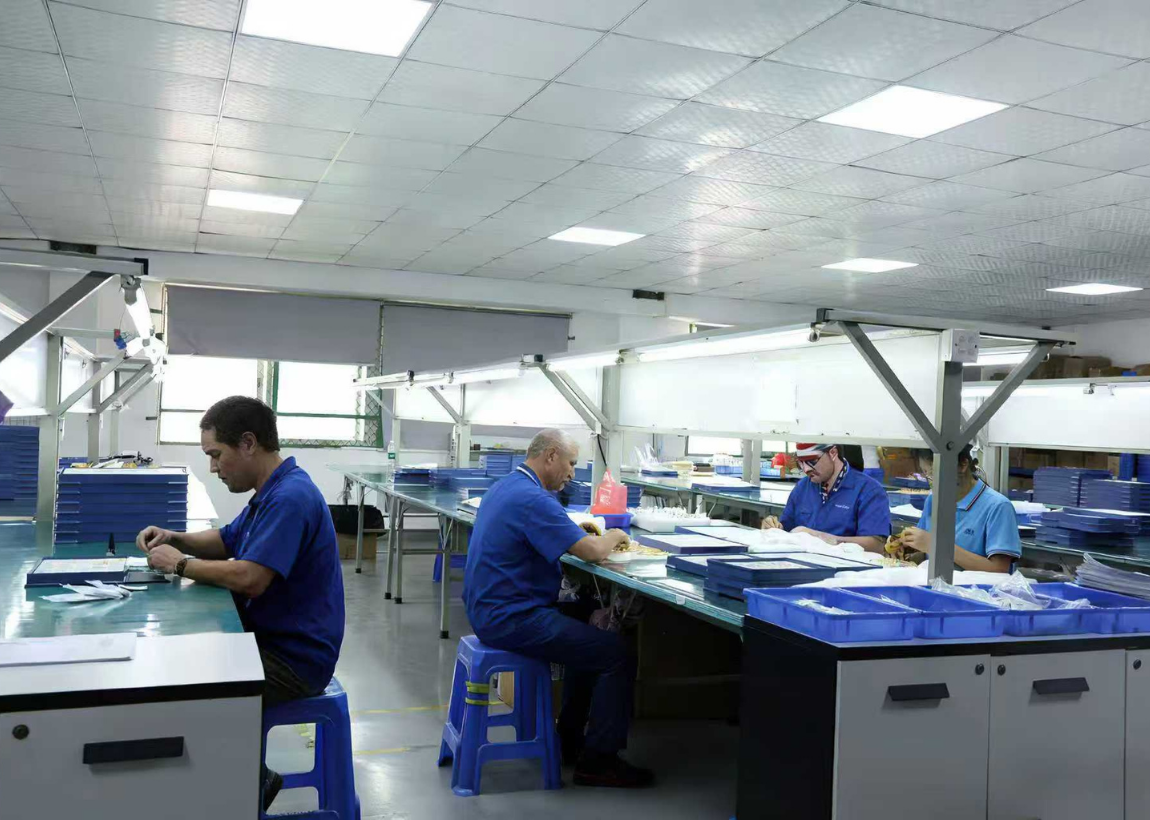
Quality Inspection: Every piece of jewelry undergoes a rigorous examination by quality inspectors.
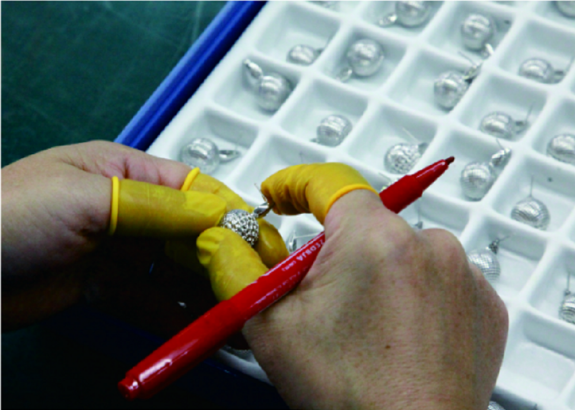
Quality Inspection: Inspectors meticulously check color, luster, structure, dimensions, and surface imperfections.